Superfoods are often surrounded by a lot of hype, but they truly are some of the healthiest foods you can incorporate into your daily diet. Although there isn't a strict, quantifiable definition for superfoods, at EatingWell, we consider them to be versatile foods packed with disease-fighting nutrients, all delivered in a delicious form (think: antioxidant-rich blueberries).
However, some incredibly healthy foods can be a bit too pricey or difficult to find, making them less practical for everyday consumption (we're looking at you, goji berries). Similarly, some foods, like sardines, might be something you only enjoy occasionally. While we fully support trying new foods—variety is crucial for a balanced diet—we aimed to identify superfoods that are easiest to incorporate into your daily routine. After all, the health benefits of a food don't matter if you're not actually eating it.
The healthiest foods and diets focus on real, whole foods: plenty of vegetables and fruits, whole grains, healthy proteins, and fats, along with limited amounts of added sugar and sodium. While there are many other nutritious foods that didn't make this specific list—like lentils, bananas, and beets—this is a fantastic starting point if you're looking to enhance your diet with more healthy options.
So, here is a list of 10 easy-to-eat, easy-to-find, everyday superfoods that make eating healthy both simple and delicious:
1. Berries
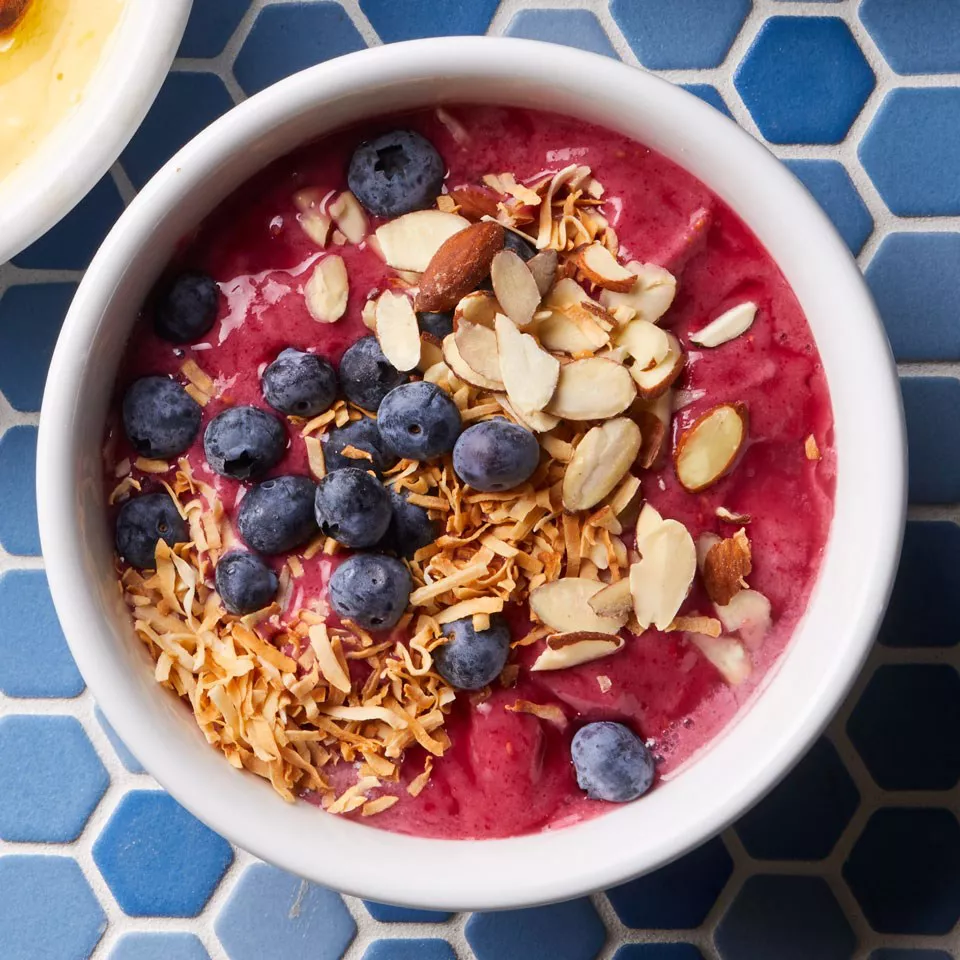
Berries are fantastic sources of fiber, a nutrient that many Americans fall short on in their daily diets. Fiber plays a crucial role in maintaining a healthy digestive system, ensuring it functions properly. It also helps you feel full for longer periods and supports heart health. Given that all berries offer significant health benefits, it's a good idea to diversify your berry intake.
During the winter months, when fresh berries are out of season, opt for frozen berries (make sure they are unsweetened). These can be easily incorporated into smoothies, oatmeal, or even thawed and mixed into yogurt. Raspberries, for instance, are one of the best breakfast foods for weight loss due to their high fiber content, boasting 8 grams per cup. They also contain ellagic acid, a compound with anti-cancer properties.
Blueberries, while containing half the fiber of raspberries at 4 grams per cup, are rich in anthocyanins. These antioxidants are known for their potential to help keep memory sharp as you age. Strawberries provide 3 grams of fiber per cup and offer more than the daily recommended dose of vitamin C, which is essential for maintaining firm, healthy skin.
In addition to their fiber content, berries are packed with various vitamins, minerals, and antioxidants that contribute to overall health. For example, blackberries are another excellent choice, providing 7.6 grams of fiber per cup along with high levels of vitamin K, which is important for bone health and blood clotting. Cranberries, often consumed in juice form, are known for their ability to help prevent urinary tract infections due to their high levels of proanthocyanidins.
Incorporating a variety of berries into your diet not only enhances the nutritional value of your meals but also adds vibrant colors and flavors. Whether fresh or frozen, berries are versatile and can be enjoyed in numerous dishes, from breakfast bowls to desserts.
2. Eggs

Eggs are an excellent source of high-quality vegetarian protein, making them a valuable addition to any meal for increased satiety. A single egg contains approximately 70 calories and 6 grams of protein, providing a substantial boost to your daily protein intake. Beyond their protein content, egg yolks are rich in lutein and zeaxanthin—two powerful antioxidants that play a crucial role in maintaining eye health.
Research published in 2019 in the journal PLOS One highlights the benefits of lutein and zeaxanthin, linking these antioxidants to a reduced risk of age-related macular degeneration (AMD). AMD is a leading cause of blindness in individuals over the age of 65, making the inclusion of these nutrients in your diet particularly important as you age. Additionally, lutein has been found to offer protective benefits for the skin, potentially shielding it from damage caused by ultraviolet (UV) radiation.
Eggs are also versatile and can be incorporated into a wide variety of dishes, from breakfast omelets and scrambles to salads and sandwiches. They can be boiled, poached, fried, or baked, making them an easy and convenient option for any meal of the day. Moreover, eggs contain essential vitamins and minerals such as vitamin B12, vitamin D, and selenium, which support overall health and wellness.
For those concerned about cholesterol, recent studies suggest that moderate egg consumption does not significantly impact heart disease risk for most people. In fact, the dietary cholesterol in eggs has a minimal effect on blood cholesterol levels for the majority of individuals. The benefits of eggs, with their nutrient-dense profile, far outweigh the concerns for most people when consumed as part of a balanced diet.
3. Sweet Potatoes

Sweet potatoes owe their vibrant orange color to the presence of alpha and beta carotene. These compounds are precursors to vitamin A, which the body converts into its active form. Vitamin A is essential for maintaining healthy eyes, bones, and a robust immune system. Additionally, these phytochemicals act as antioxidants, helping to neutralize disease-promoting free radicals in the body.
One medium sweet potato, which is roughly equivalent to about 1/2 cup, provides nearly four times the recommended daily value of vitamin A. This makes sweet potatoes an incredibly efficient source of this vital nutrient. But the nutritional benefits don't stop there. Sweet potatoes also offer a good amount of vitamin C and B6, which are important for immune function and brain health, respectively. Furthermore, they are rich in potassium, which helps regulate blood pressure, and manganese, which is crucial for bone health and metabolism.
In addition to these nutrients, sweet potatoes contain lutein and zeaxanthin, two antioxidants that are particularly beneficial for eye health. These compounds help protect the eyes from damage caused by ultraviolet light and may reduce the risk of age-related macular degeneration.
Sweet potatoes are not only nutritious but also versatile and delicious. They can be baked, roasted, mashed, or even used in soups and stews. Their natural sweetness makes them a popular choice for both savory and sweet dishes, and they pair well with a variety of spices and herbs.
For those looking to add more nutrient-dense foods to their diet, sweet potatoes are an excellent choice. They are relatively low in calories yet packed with essential vitamins and minerals, making them a valuable addition to any meal plan.
4. Broccoli

Broccoli is a nutritional powerhouse, brimming with essential vitamins and minerals that contribute to overall health and well-being. It is particularly rich in vitamins A, C, and K. Vitamin A is crucial for maintaining healthy vision and immune function, while vitamin C is a powerful antioxidant that supports the immune system and aids in skin health. Vitamin K plays a vital role in bone health by aiding in calcium absorption and bone mineralization.
In addition to these vitamins, broccoli is an excellent source of folate, a B-vitamin that is important for cell growth and metabolism. Folate is especially crucial during periods of rapid growth, such as pregnancy and infancy, as it helps in the formation of DNA and other genetic material.
One of the standout reasons broccoli frequently earns a top spot on "superfoods" lists is its high content of sulforaphane. Sulforaphane is a type of isothiocyanate, a compound that has been extensively studied for its potential cancer-fighting properties. Research suggests that sulforaphane helps stimulate the body's detoxifying enzymes, which can neutralize harmful carcinogens and reduce the risk of cancer development.
Broccoli's health benefits extend beyond its nutrient content. It is also a versatile vegetable that can be enjoyed in numerous ways. Whether steamed, roasted, stir-fried, or eaten raw, broccoli can be easily incorporated into a wide variety of dishes. Its mild flavor pairs well with a range of ingredients, making it a staple in many cuisines around the world.
For those looking to boost their intake of nutrient-dense foods, broccoli is an excellent choice. Its rich array of vitamins, minerals, and bioactive compounds make it a valuable addition to any diet. Plus, its versatility in the kitchen ensures that it can be enjoyed in countless delicious and healthy recipes.
5. Oats

Oats are a quintessential breakfast staple and are often hailed as a superfood due to their impressive nutritional profile. Incorporating more oats into your diet is a simple and effective way to increase your fiber intake, which can help you feel fuller for longer and support healthy digestion. As a whole grain, oats are minimally processed and retain all parts of the grain, providing a wealth of nutrients without any added sugars when consumed plain.
Oats are incredibly versatile and can be transformed into a variety of delicious and nutritious meals or snacks. Starting with plain oats, you can create blueberry oat cakes that are perfect for a hearty breakfast or a satisfying snack. Homemade granola made from oats can be enjoyed with fresh fruit and yogurt, offering a balanced combination of carbohydrates, protein, and healthy fats. For a quick and convenient snack, you can make DIY energy bites by mixing oats with peanut butter and other wholesome ingredients.
In addition to their versatility, oats are packed with essential nutrients. They are an excellent source of complex carbohydrates, which provide sustained energy throughout the day. Oats are also rich in beta-glucan, a type of soluble fiber that has been shown to lower cholesterol levels and improve heart health. Furthermore, they contain important vitamins and minerals such as manganese, phosphorus, magnesium, and iron, which are vital for various bodily functions.
Oats also have a low glycemic index, meaning they release sugar into the bloodstream slowly, helping to maintain stable blood sugar levels. This makes them an ideal food choice for those managing diabetes or looking to prevent blood sugar spikes.
For those who enjoy experimenting in the kitchen, oats can be used in a multitude of recipes beyond traditional oatmeal. They can be incorporated into baked goods like muffins and cookies, used as a base for savory dishes such as oat risotto, or even blended into smoothies for added texture and nutrition.
6. Spinach

Dark leafy greens are incredibly beneficial for overall health, and spinach stands out as one of the most nutrient-dense options available. Spinach is packed with essential vitamins and minerals that contribute to various bodily functions and promote well-being. It is rich in vitamins A, C, and K, each playing a crucial role in maintaining health. Vitamin A supports vision and immune function, vitamin C acts as a powerful antioxidant and aids in skin health, while vitamin K is vital for blood clotting and bone health.
In addition to these vitamins, spinach provides a good amount of dietary fiber, which aids in digestion and helps maintain a healthy weight by promoting a feeling of fullness. Spinach is also an excellent source of iron, which is necessary for the production of red blood cells and the prevention of anemia. The calcium content in spinach supports strong bones and teeth, while potassium helps regulate blood pressure and maintain proper heart function. Magnesium is involved in over 300 biochemical reactions in the body, including muscle and nerve function, while vitamin E acts as an antioxidant, protecting cells from damage.
Research has shown that incorporating more greens like spinach into your diet can have numerous health benefits. Eating spinach regularly can aid in weight loss due to its low calorie and high fiber content, which helps control hunger and reduce overall calorie intake. Additionally, the nutrients in spinach can help reduce the risk of developing type 2 diabetes by improving insulin sensitivity and glucose metabolism.
Spinach also plays a role in maintaining cognitive health. Studies suggest that the antioxidants and other bioactive compounds in spinach can help keep the brain young by reducing oxidative stress and inflammation, which are linked to cognitive decline and neurodegenerative diseases. Furthermore, the high levels of antioxidants, such as flavonoids and carotenoids, found in spinach have been shown to have cancer-fighting properties, helping to neutralize free radicals and reduce the risk of certain cancers.
Spinach is incredibly versatile and can be easily incorporated into a variety of dishes. It can be enjoyed raw in salads, blended into smoothies, sautéed as a side dish, or added to soups, stews, and casseroles. This makes it easy to reap the health benefits of spinach while enjoying delicious and nutritious meals.
7. Tea

Research indicates that drinking tea regularly can offer a host of health benefits, potentially reducing the risk of Alzheimer's disease, diabetes, and certain types of cancer. Additionally, regular tea consumption is associated with healthier teeth and gums, as well as stronger bones. These benefits are largely attributed to the high content of antioxidants found in tea, particularly a class of compounds known as flavonoids.
Flavonoids are powerful antioxidants that help protect the body from oxidative stress and inflammation, which are linked to chronic diseases and aging. No matter which variety of tea you prefer—be it green, black, white, or oolong—you can maximize the health benefits of these flavonoids by drinking tea that is freshly brewed. Freshly brewed tea retains the highest concentration of flavonoids, ensuring you receive the maximum antioxidant benefits.
For those who enjoy cold tea, there's a simple trick to preserve the beneficial flavonoids when storing it in the refrigerator: add a splash of lemon juice. The citric acid and vitamin C found in lemon, lime, or orange juice help stabilize and preserve the flavonoids, ensuring that your cold tea remains just as nutritious as when it was freshly brewed.
Tea is also known for its other health-promoting properties. For instance, it contains small amounts of fluoride, which can help strengthen tooth enamel and prevent cavities. The anti-inflammatory properties of tea can also contribute to healthier gums. Moreover, some studies suggest that the polyphenols in tea may help improve bone density, reducing the risk of osteoporosis and fractures.
Incorporating tea into your daily routine is an easy and enjoyable way to boost your intake of antioxidants and other beneficial compounds. Whether you prefer a hot cup of tea in the morning or a refreshing glass of iced tea in the afternoon, making tea a regular part of your diet can contribute to long-term health and wellness.
8. Nuts
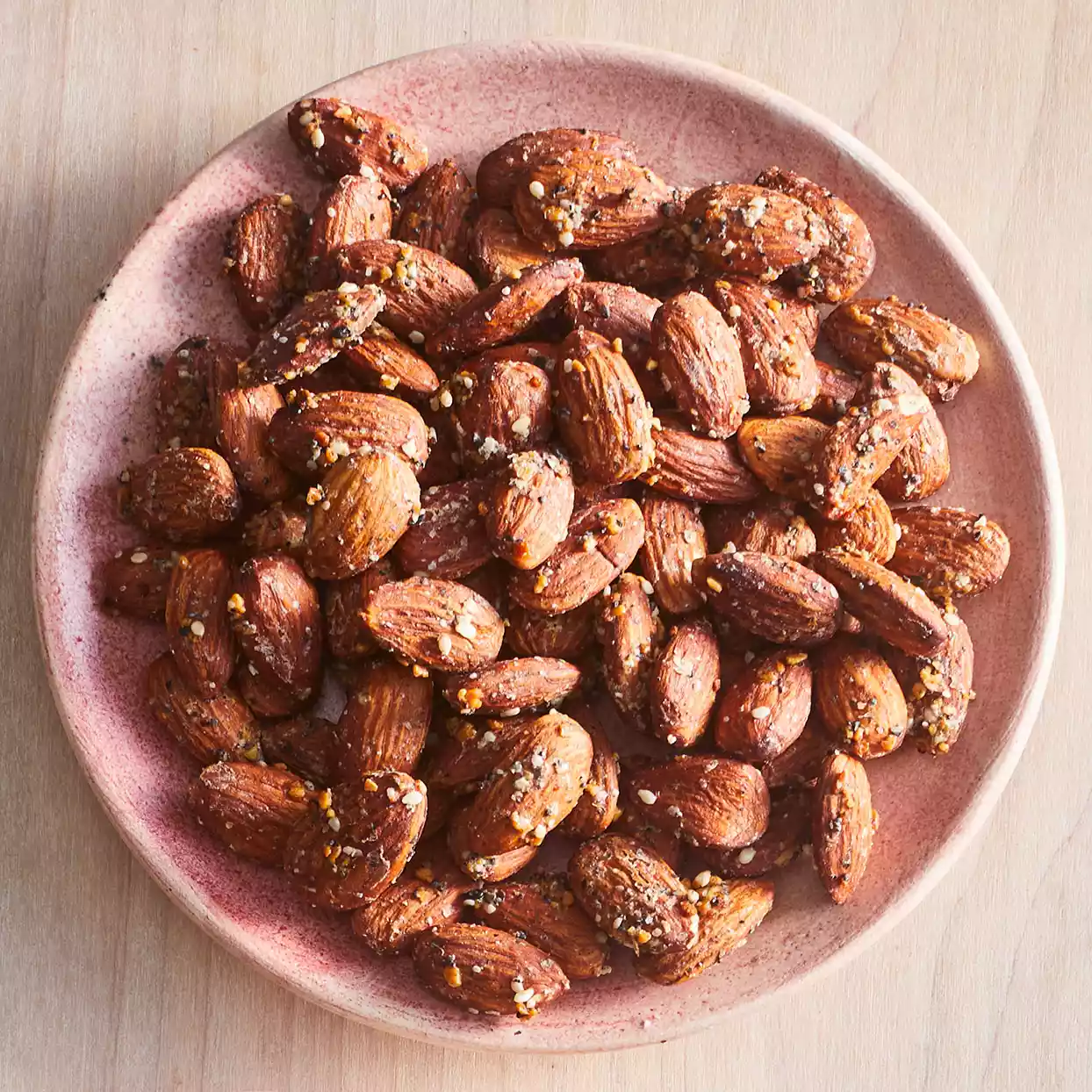
Nuts are a nutritional powerhouse, offering a wide range of health benefits that make them an excellent addition to any diet. They are rich in healthy polyunsaturated fats and magnesium, two key nutrients that are essential for maintaining heart health. These nutrients not only support cardiovascular function but may also provide protection against insulin resistance, a condition that can lead to the development of type 2 diabetes.
In addition to their heart-healthy fats and magnesium, nuts are loaded with antioxidant compounds such as ellagic acid and resveratrol. These antioxidants play a crucial role in protecting the body from the damaging effects of free radicals, which can cause oxidative stress and inflammation. By reducing this wear and tear on the body, nuts help lower inflammation, potentially decreasing the risk of certain cancers.
Another significant benefit of nuts is their high content of insoluble fiber. This type of fiber is not digested by the body but instead feeds beneficial gut bacteria, promoting a healthy digestive system. A robust gut microbiome is linked to numerous health benefits, including improved immune function and reduced risk of chronic diseases.
Nuts are incredibly versatile and can be enjoyed in various ways. Spread nut butter on toast for a nutritious breakfast, grab a handful of nuts for a quick and satisfying snack, or make your own simple trail mix by combining your favorite nuts with dried fruits and seeds. These options make it easy to incorporate nuts into your daily routine, ensuring you reap their numerous health benefits.
Moreover, nuts come in a variety of types, each with its unique nutrient profile. Almonds, for example, are particularly high in vitamin E, an antioxidant that supports skin health and immune function. Walnuts are an excellent source of omega-3 fatty acids, which are known for their anti-inflammatory properties and benefits for brain health. Cashews provide a good amount of copper, which is important for energy production and collagen formation.
Including a variety of nuts in your diet can help ensure you receive a broad spectrum of nutrients that contribute to overall health and well-being. Whether you enjoy them raw, roasted, or as part of a dish, nuts are a delicious and convenient way to boost your nutrient intake and support a healthy lifestyle.
9. Oranges

Oranges are often overlooked, but they are truly a nutritional gem. This humble fruit is an outstanding source of vitamin C, with just one large orange or a cup of orange juice providing an entire day's worth of this essential nutrient. Vitamin C plays a crucial role in the body, particularly in the production of white blood cells and antibodies that are vital for fighting off infections. Additionally, it acts as a powerful antioxidant, protecting cells from the damage caused by free radicals. Vitamin C is also essential for the synthesis of collagen, a protein that helps maintain skin firmness and elasticity.
Beyond their impressive vitamin C content, oranges are packed with other important nutrients. They are high in dietary fiber, which aids in digestion and helps maintain a healthy gut. Fiber also contributes to a feeling of fullness, which can aid in weight management. Oranges are a good source of folate, a B-vitamin that is essential for cell division and the production of DNA. Folate is particularly important for pregnant women as it supports the healthy development of the fetus.
Oranges also contain a variety of other vitamins and minerals, including potassium, which helps regulate blood pressure and supports heart health. The natural sugars in oranges provide a quick energy boost, making them an excellent snack for a mid-day pick-me-up. Moreover, the phytonutrients found in oranges, such as flavonoids and carotenoids, have been shown to have anti-inflammatory and antioxidant properties, further contributing to overall health.
Incorporating oranges into your diet is easy and versatile. They can be enjoyed on their own as a refreshing snack, added to salads for a burst of flavor, or used in smoothies and juices. The zest and juice of oranges can also be used to enhance the flavor of various dishes, from desserts to savory meals. This makes it simple to enjoy the health benefits of oranges while adding a delicious and nutritious element to your meals.
10. Yogurt

Yogurt is a nutritional powerhouse that offers numerous health benefits, making it a valuable addition to any diet. One of the key benefits of yogurt is its content of probiotics, often referred to as "good bacteria." These beneficial microorganisms help maintain a healthy gut by promoting a balanced microbiome, which is essential for proper digestion and overall health. A healthy gut microbiome is linked to improved immune function, better nutrient absorption, and even mental well-being.
In addition to its probiotic content, yogurt is an excellent source of calcium. Just one cup of yogurt provides nearly half of the recommended daily value of calcium, which is crucial for maintaining strong bones and teeth. Calcium also plays a vital role in muscle function, nerve transmission, and blood clotting. Beyond calcium, yogurt is rich in other essential nutrients, including phosphorus, potassium, zinc, riboflavin (vitamin B2), vitamin B12, and protein.
Phosphorus works alongside calcium to build and maintain strong bones and teeth, while potassium helps regulate blood pressure and supports heart health. Zinc is important for immune function, wound healing, and DNA synthesis. Riboflavin and vitamin B12 are essential for energy production and the formation of red blood cells, respectively. The protein content in yogurt supports muscle repair and growth, making it an excellent choice for those looking to increase their protein intake.
For an even bigger protein boost, opt for Greek-style yogurt. Greek yogurt is strained to remove much of the whey, resulting in a thicker texture and higher protein content compared to regular yogurt. This makes it particularly beneficial for athletes, bodybuilders, or anyone looking to increase their protein intake without consuming excessive calories.
Whenever possible, choose plain yogurt over flavored varieties. Flavored yogurts often contain added sugars, which increase calorie content without providing additional nutritional benefits. By selecting plain yogurt, you can avoid these added sugars and customize the flavor to your liking with fresh fruits, nuts, seeds, or a drizzle of honey.
Incorporating yogurt into your diet is easy and versatile. Enjoy it on its own as a snack, add it to smoothies for a creamy texture, or use it as a base for parfaits with layers of fruits and granola. Yogurt can also be used in savory dishes, such as tzatziki sauce or as a substitute for sour cream in recipes. This versatility makes it simple to enjoy the health benefits of yogurt while adding variety to your meals.
The Bottom Line
Although the term "superfoods" lacks a precise scientific definition, it generally refers to foods that are exceptionally nutrient-dense and beneficial for overall health. These foods are not only delicious but also packed with a variety of health-boosting nutrients and antioxidants, making them an excellent choice for daily consumption.
Superfoods are known for their high content of vitamins, minerals, and antioxidants, which play crucial roles in maintaining and improving health. Antioxidants, for instance, help protect the body from oxidative stress and inflammation, which are linked to chronic diseases such as heart disease, diabetes, and cancer. Including superfoods in your daily diet can provide a significant boost to your overall well-being.
One way to incorporate superfoods into your diet is by adding berries to your oatmeal. Berries, such as blueberries, strawberries, and raspberries, are rich in antioxidants, fiber, and vitamins like vitamin C and vitamin K. They not only enhance the flavor of your breakfast but also provide essential nutrients that support immune function and skin health.
Sweet potatoes are another excellent superfood that can be added to meals. They are a great source of beta-carotene, which the body converts into vitamin A. Vitamin A is essential for vision, immune function, and skin health. Sweet potatoes also contain fiber, potassium, and manganese, making them a nutritious addition to grain bowls, salads, or as a side dish.
Nuts are a convenient and nutritious snack that can be enjoyed anytime. They are rich in healthy fats, protein, fiber, and a variety of vitamins and minerals. Nuts like almonds, walnuts, and cashews provide essential nutrients such as vitamin E, magnesium, and omega-3 fatty acids, which support heart health, brain function, and reduce inflammation.
Other superfoods worth incorporating into your diet include leafy greens like spinach and kale, which are high in vitamins A, C, and K, as well as minerals like iron and calcium. Quinoa is another versatile superfood that is rich in protein, fiber, and essential amino acids, making it a great addition to salads, soups, or as a side dish.
By including a variety of superfoods in your daily meals, you can ensure that you are getting a broad spectrum of nutrients that support overall health and vitality. Superfoods are not only nutritious but also versatile and delicious, making it easy to enjoy their benefits every day.
Leave a Reply